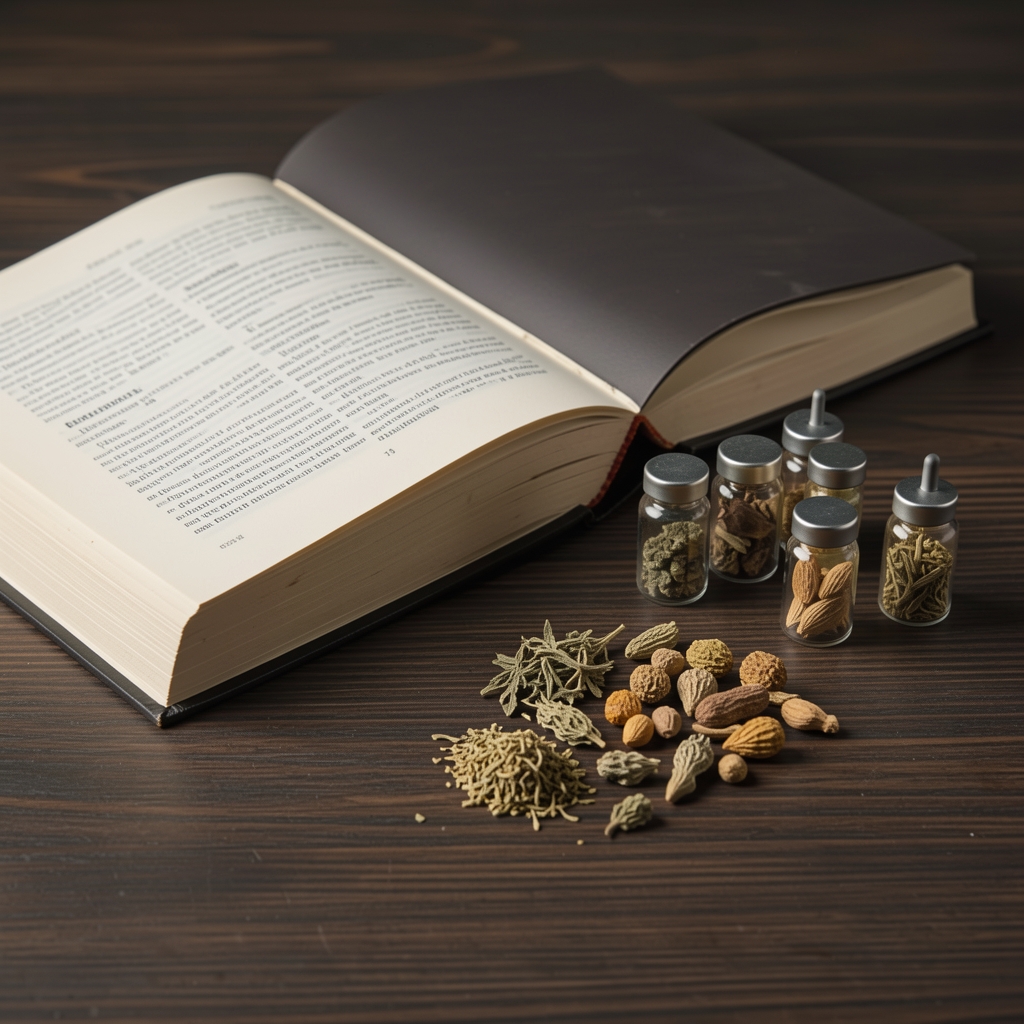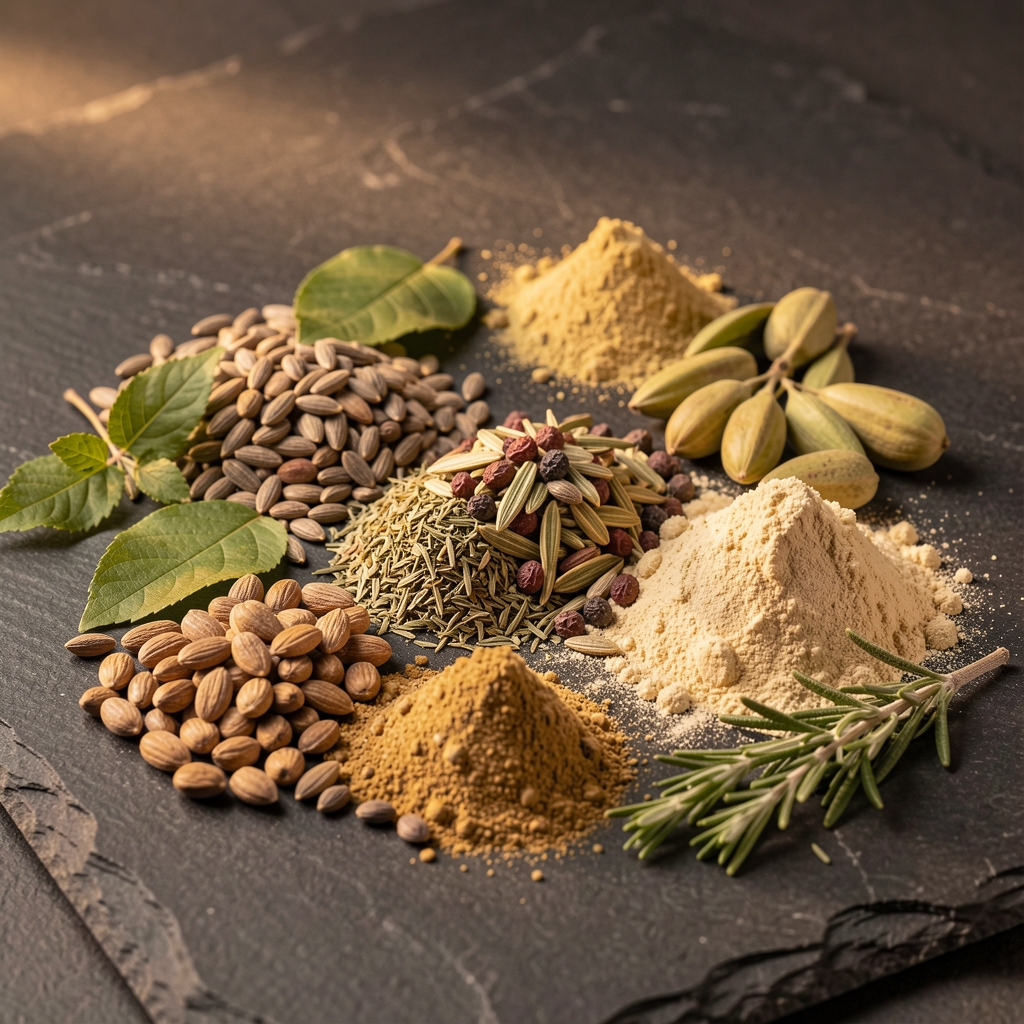
The Indonesian supplement market has expanded at pace over the past four years, and within it, a subset of whole-food-sourced, plant-based formulations now occupies a visible share of the active-lifestyle category. This article records what those formulations actually contain — not what their labels assert, but what the available certificate-of-composition documentation and published nutritional research reveal about their mineral and botanical profiles.
What "Whole-Food Sourced" Means in Practice
The phrase "whole-food sourced" appears across dozens of Indonesian supplement labels with limited standardisation. In the most rigorous usage, it refers to active ingredients extracted from minimally processed botanical or food-grade materials rather than synthesised in an isolated chemical form. Zinc sourced from pumpkin seed extract, for example, arrives embedded in a matrix of co-occurring fatty acids and amino acids. Magnesium sourced from whole-plant spinach extract retains the chlorophyll structures that facilitate absorption at the cellular membrane level.
The practical distinction matters because the bioavailability profiles of whole-food-sourced minerals differ meaningfully from those of their isolated counterparts. Magnesium bisglycinate, a chelated synthetic form, is frequently compared with whole-food magnesium in the published literature; the evidence base on comparative absorption rates is mixed and context-dependent. What is consistent is that batch-verified, whole-food-sourced extracts offer a more predictable compositional baseline than unverified isolates, because the supply chain documentation is tighter.
In the Indonesian market, the challenge is less about formulation philosophy and more about documentation. A formulation labelled as "whole-food sourced" without an accompanying certificate of analysis (CoA) from an independent laboratory represents an unverifiable claim. Estravo Compendium's sourcing standards require that any formulation discussed in this journal has documentation available through either the manufacturer or a third-party verification body.
"Formulation integrity begins at the ingredient level, not the label. A certificate of composition is a baseline standard, not an exceptional credential."
Mineral Complex Profiles: Zinc, Magnesium, Selenium
Among the most commonly featured mineral complexes in men's active-lifestyle formulations are zinc, magnesium, and selenium. Each has a distinct role in the published nutritional literature and a distinct sourcing landscape in the Indonesian ingredient supply chain.
Zinc contributes to normal cognitive function and immune health according to published European Food Safety Authority (EFSA) nutrient profiles. In plant-based formulations, zinc is most commonly derived from pumpkin seed extract or spirulina biomass. Pumpkin seed-derived zinc carries a naturally occurring ratio of phytosterols and unsaturated fatty acids that may influence absorption dynamics; this is one of the reasons whole-food sourcing advocates cite in favour of food-matrix delivery over isolated zinc sulphate.
Magnesium contributes to normal energy metabolism and reduces tiredness, per the same EFSA nutrient register. In whole-food-sourced formulations, the most traceable plant matrices for magnesium are leafy green concentrates — spinach, chlorella, and moringa. Indonesian suppliers of moringa-derived magnesium have expanded their CoA infrastructure significantly since 2023, with several now offering third-party batch reports covering heavy metal levels, microbiological contamination, and compositional concentration.
Selenium contributes to protection of cells from oxidative stress. Brazil nut-derived selenium is the most widely cited food-grade selenium source in the active-lifestyle supplement literature. The concentration variability in Brazil nut raw material — a well-documented agronomic issue — makes batch-level verification particularly relevant for any formulation using this source. Without CoA-level selenium quantification, the label claim for selenium concentration carries a meaningful margin of uncertainty.
- Whole-food sourcing claims require CoA documentation to be independently verifiable; label language alone is insufficient.
- Zinc, magnesium, and selenium are the three most consistently featured minerals in Indonesian men's active-lifestyle formulations.
- Batch-level third-party verification is available through several Indonesian moringa and spirulina suppliers as of 2025.
- Bioavailability comparisons between food-matrix and isolated mineral forms are context-dependent; the evidence base is not settled.
- Certificate of composition documentation should specify: concentration range, heavy metal levels, microbiological status, and batch identifier.
Botanical Additives: Adaptogens and Whole-Plant Concentrates
Beyond mineral profiles, many plant-based formulations targeting active men incorporate botanical additives — most frequently standardised herbal concentrates positioned as adaptogenic or nutritive. Ashwagandha (Withania somnifera), moringa leaf, and holy basil (Ocimum tenuiflorum) are the three most prevalent in the Indonesian active-lifestyle category as of the 2025 sourcing survey referenced in this article's background documentation.
The standardisation question is central to quality assessment for these botanicals. Ashwagandha, for example, is typically standardised to a percentage of withanolide glycosides — the group of steroidal lactones considered the primary active constituents in the published research. Formulations specifying "Ashwagandha extract" without a withanolide percentage figure are, from a compositional transparency standpoint, providing incomplete information. This is not a regulatory violation in the Indonesian supplement category, but it is a documentation gap that editorial standards require noting.
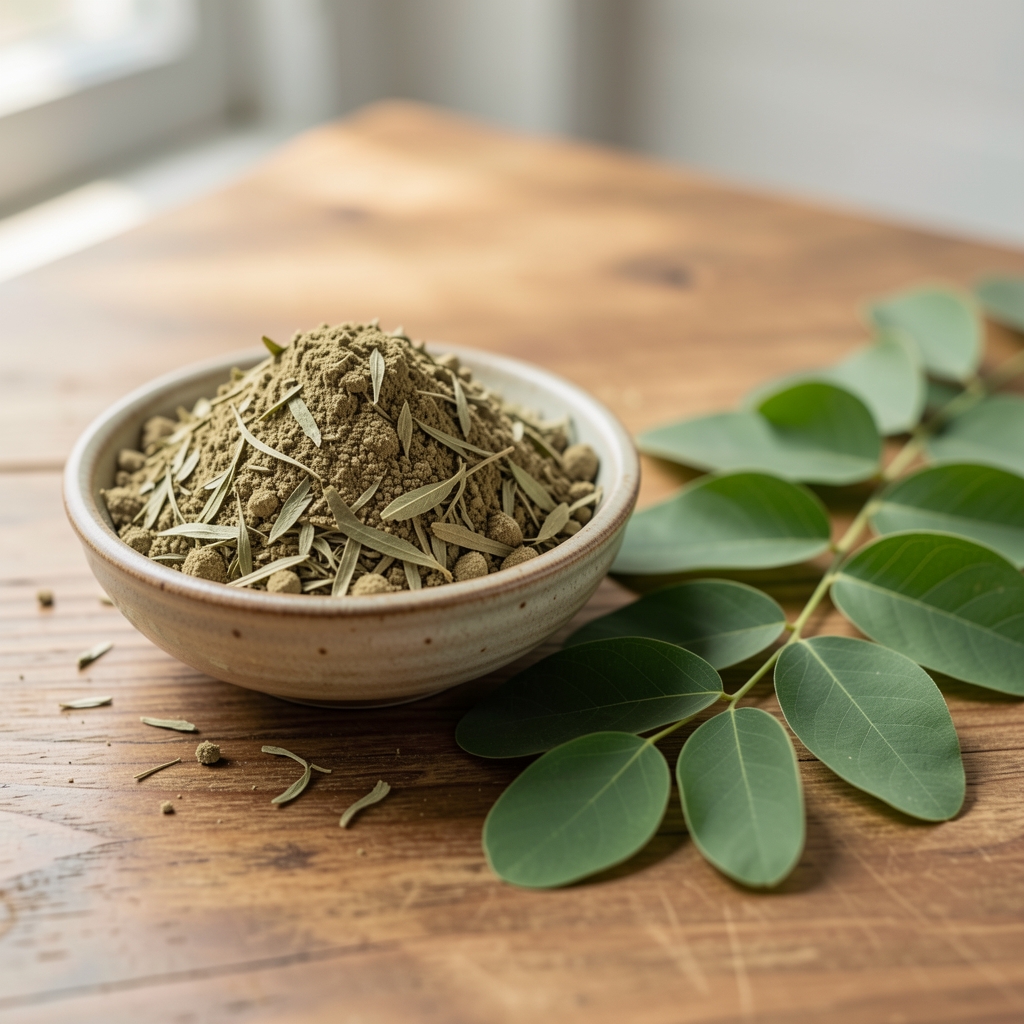
Moringa leaf powder is increasingly positioned as a broad-spectrum nutritive: it contains naturally occurring vitamins, amino acids, and mineral cofactors. However, the concentration variability between raw moringa batches is substantial — up to a fourfold difference in iron content has been recorded between dry-season and wet-season harvests of Indonesian-grown moringa leaf. Batch-to-batch CoA comparison is therefore more relevant for moringa than for many other botanical ingredients, because the agronomic variability is documented and significant.
Reading a Certificate of Analysis
For the reader evaluating a plant-based formulation, the certificate of analysis (CoA) is the primary transparency document. A complete CoA for a botanical ingredient should contain: the batch identifier, the testing date, the testing laboratory name and accreditation status, the assay method used to determine active constituent concentration, the recorded concentration value with acceptable range, heavy metal results (typically lead, cadmium, arsenic, and mercury), and microbiological results (total aerobic plate count, yeast and mould, absence confirmation for salmonella and E. coli).
In practice, the CoAs available through Indonesian supplement manufacturers vary widely in completeness. Some provide heavy metal data but omit microbiological results. Others specify assay concentration ranges as too broad to be informative — a "5–25% withanolide" range, for example, is a specification that covers almost the full commercially available ashwagandha extract market, and tells the reader little about the specific batch's composition. Editorial-standard documentation requires a narrower range with a specific recorded batch value.
The accreditation status of the testing laboratory also matters. An in-house laboratory test from the manufacturer's own facility carries less independent weight than a test from an ISO 17025-accredited third-party facility. For the Indonesian market, accredited third-party laboratories include several KAN (Komite Akreditasi Nasional)-recognised facilities. Third-party verification through a KAN-accredited body is the baseline standard referenced in Estravo Compendium's ingredient transparency framework.
Lean Body Support Formulations: Compositional Patterns
The "lean body support" category within the Indonesian men's supplement market typically combines protein-contributing ingredients with mineral cofactors. Brown rice protein, pea protein isolate, and hemp seed protein are the three dominant plant-based protein sources in this segment. Each carries a distinct amino acid profile and a distinct environmental footprint in terms of land use and water consumption — considerations increasingly relevant to the ingredient transparency conversation in the active-lifestyle editorial space.
Pea protein isolate is the most commonly featured of the three in current Indonesian market formulations, owing in part to the establishment of domestic pea protein processing infrastructure in Java since 2022. The amino acid profile of pea protein is broadly comparable to whey protein concentrate, with the notable exception of methionine, which is relatively low. Formulations using pea protein as the sole protein source and aiming for a complete amino acid delivery typically pair it with a complementary amino source — rice protein being the most common choice, given their methionine-lysine complementarity.
For the active male reader evaluating these formulations, the relevant compositional data points are: total protein per serving, amino acid profile (ideally with leucine, isoleucine, and valine values specified for the branched-chain amino acid subset), and the presence and concentration of mineral cofactors that support energy metabolism. The latter category most commonly includes magnesium, zinc, and vitamin B12 in this product segment.
Articles published on Estravo Compendium are editorial in nature and reflect the writers' observations on everyday wellness practices. The content is not intended as professional advice, nor as guidance for the management of any specific condition. Readers with specific concerns about their daily routines are encouraged to speak with a qualified wellness professional. Estravo Compendium is an independent editorial publication focused on everyday wellness practices. The publication is not affiliated with any commercial, governmental, or institutional body.